
Home / Spreadsheet
The catalogue shelves of Mulebuy Spreadsheet Was-Now
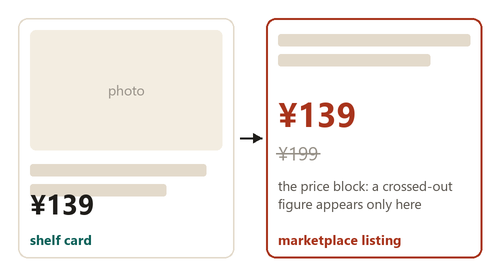
Sixteen shelves of finds from Chinese marketplaces, each linked at its current listings. Read the price on a card as a starting point, then open the listing to see whether it carries a crossed-out figure.
Browse all 16 product categories
These photographs identify the product type, not guaranteed stock, quality or a live price. Open a category, then check the individual seller listing and your chosen agent’s restrictions.
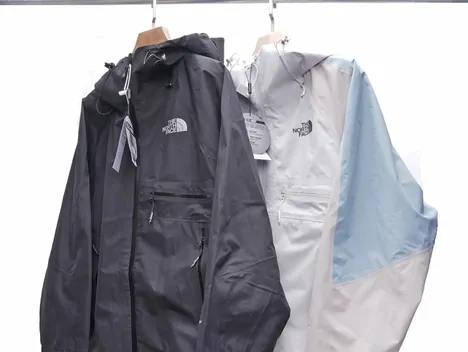 Outerwear ↗Compare chest width, sleeve length and layering room.
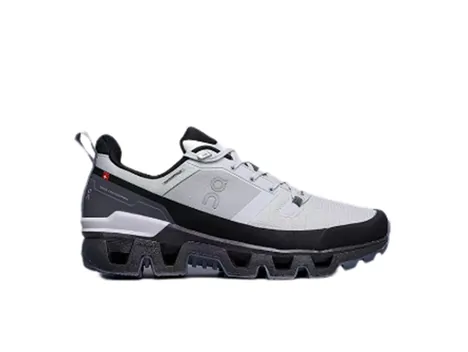 Sneakers ↗Confirm the selected size and any insole measurement.
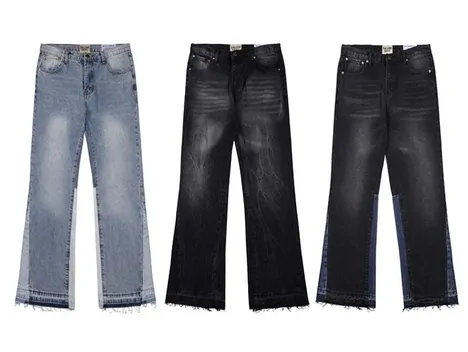 Jeans ↗Read waist, rise and inseam for the actual variant.
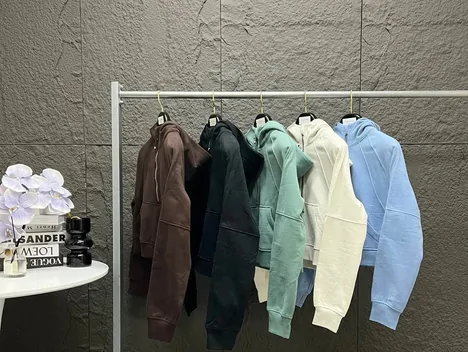 Hoodies ↗Check garment measurements and the exact print or colour.
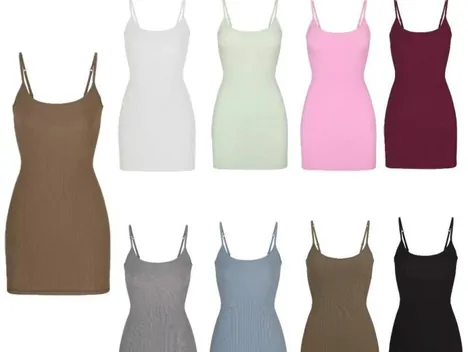 Womenswear ↗Compare cut and measurements rather than size letters alone.
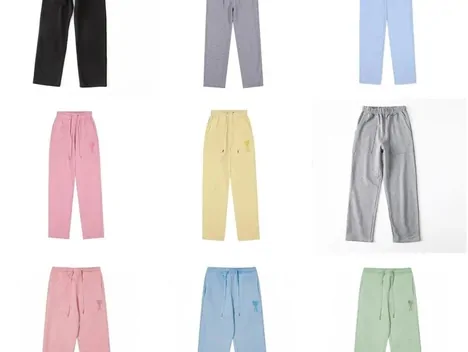 Sweatpants ↗Check inseam, waist stretch and ankle shape.
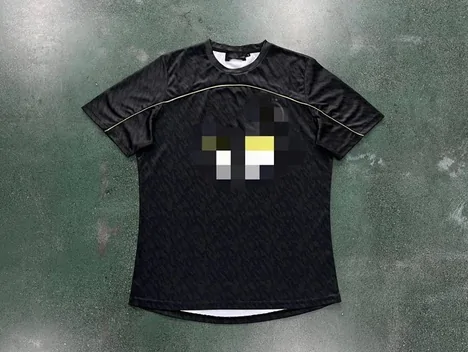 T-shirts ↗Check chest width, length and print placement.
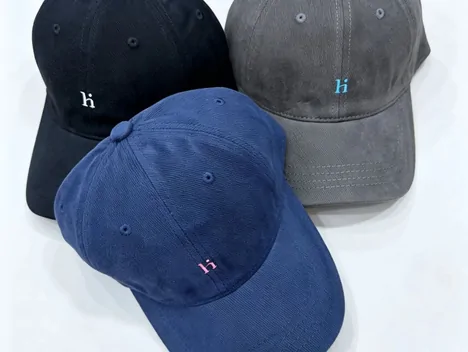 Hats ↗Look for circumference and adjustment details.
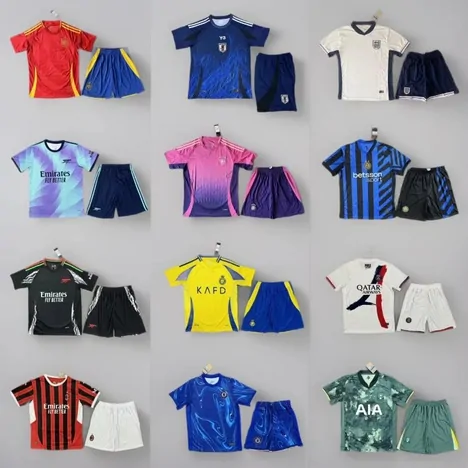 Jerseys ↗Verify the selected season, version and customisation.
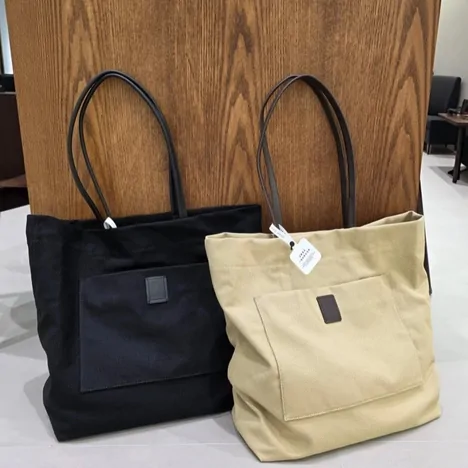 Bags ↗Distinguish usable inside space from outside dimensions.
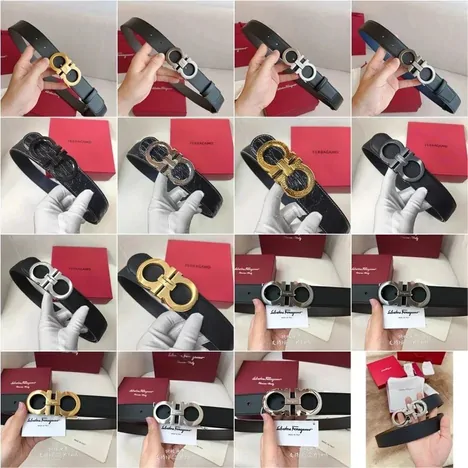 Belts ↗Check usable fastening length and buckle dimensions.
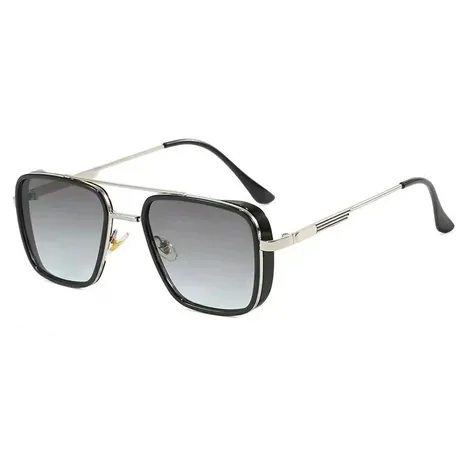 Eyewear ↗Check frame dimensions; photos do not certify lens protection.
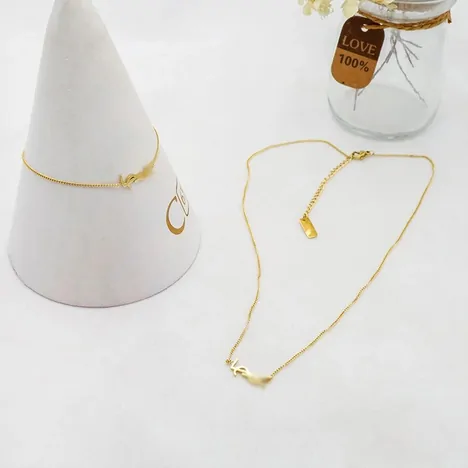 Jewelry ↗Ask about dimensions and material evidence before purchase.
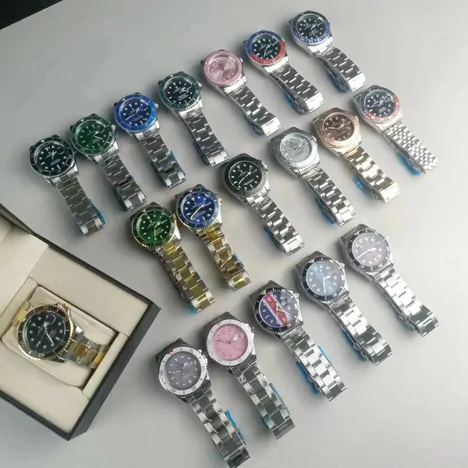 Watches ↗Check case and strap sizes; ask the route about batteries.
 Perfume ↗Confirm liquid restrictions before paying for the item.
 Electronics ↗Check rated input, compatibility and battery shipping limits.
What sits on a shelf and where it leads
A shelf is a category of finds: jackets, jeans, bags, watches and so on. Each card on it shows a photo taken from the seller’s listing, a short title and the seller’s price in yuan, and it links to that listing on Weidian, Taobao or another marketplace. Nothing is sold on this site or on the catalogue itself; the purchase happens later, through a shopping agent that pays the seller inside China.
You can browse by category from the cards below or use the search box on the home page. Either way, the step that matters for this site comes after: open the listing, find the price block, and see whether the seller shows a second, struck-through figure. That is the figure the rest of this site helps you read.
Clothing shelves
On clothing shelves a crossed-out figure tends to move with the season. Keep each record to one listing and the one version of it you would buy.
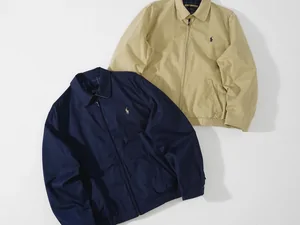 Jackets and coatsPuffer, wool and work jackets; prices on this shelf tend to follow the season.Category
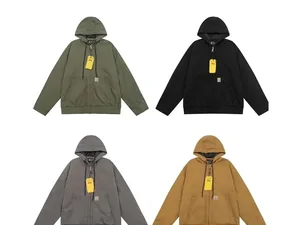 HoodiesZip and pullover hoodies in plain and printed styles.Category
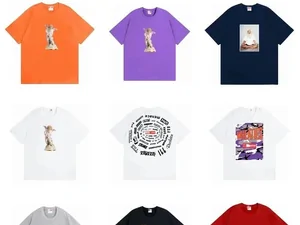 T-shirtsPrinted and plain tees, usually the lowest price band among the clothes.Category
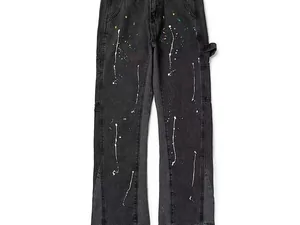 JeansStraight, wide and tapered cuts in several washes.Category
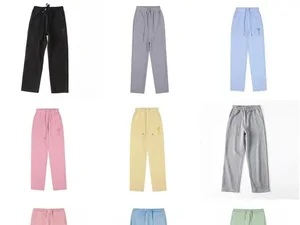 SweatpantsFleece and jersey joggers, usually sold in long colour runs.Category
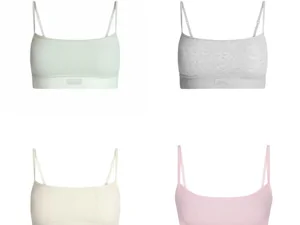 Women’s searchA keyword search, not a category page; the mix of results changes with the catalogue.Search results
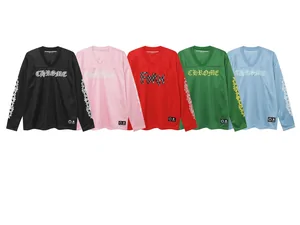 JerseysFootball, basketball and long-sleeve sports tops.Category
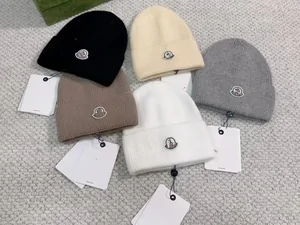 HatsCaps, beanies and bucket hats.Category
Shoes, bags, accessories and electronics
For boxed goods the struck figure may be a tag or suggested price rather than a price the shop has charged. The label printed beside it on the listing usually tells you which.
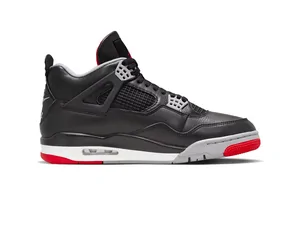 SneakersRunning, court and basketball shoes.Category
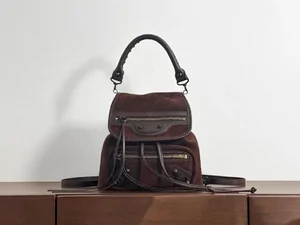 BagsBackpacks, totes and crossbody bags.Category
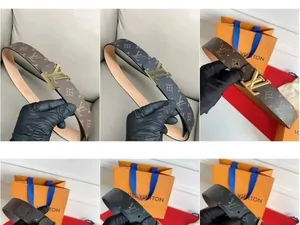 BeltsLeather and canvas belts.Category
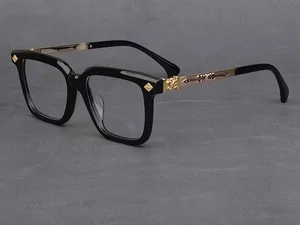 EyewearOptical frames and sunglasses.Category
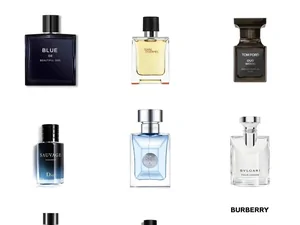 PerfumeFragrance bottles and sample sets; check what a listing says about volume.Category
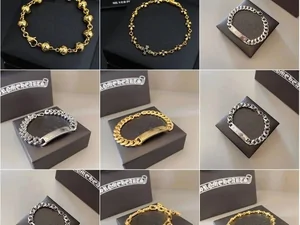 JewelleryBracelets, necklaces and rings.Category
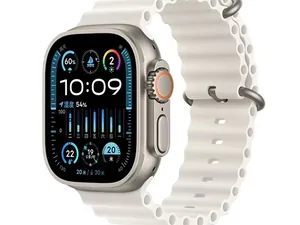 WatchesAnalogue watches and smartwatch-style pieces.Category
 ElectronicsHeadphones, speakers and small gadgets.Category
How a shelf earns its place here
This catalogue follows the category tree of the product source it links to, so a shelf here is the same shelf you land on. Where that tree has no category, as with women’s clothing, we link a keyword search and label the card “Search results” rather than pretend it is a category.
Every shelf link on this site was opened on 19 October 2026 and returned a working page. We do not rank finds, publish star scores or count how many items a shelf holds, because none of those numbers can be checked by a reader. We also do not list or help with goods sold as copies of a protected brand; where the source shows such a listing, it is not something this site promotes.
What we add is a way of reading the price. Each shelf note says what to watch for when you start a price record for a find on it, and the rest of the site explains the rules that say what a reduced price should be measured against. The four rules are how this spreadsheet is kept; the price reading is what it adds.
Reading the price printed on a catalogue card
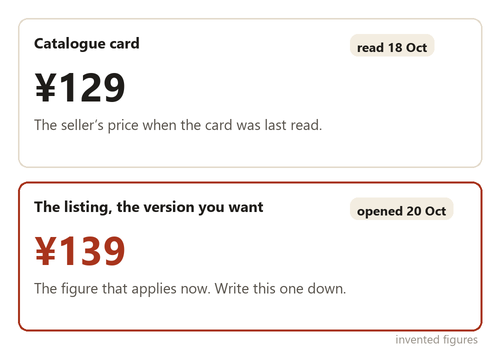
The figure on a card is the seller’s yuan price as last read from the listing. It is a useful first filter and a poor final answer, for three reasons. The listing may have been edited since the card was last read. A card carries no comparison figure, so it cannot tell you whether the price is reduced at all. And the price you finally pay is the one that applies when an agent’s buyer places the order, which can be a day or more after you looked.
So treat the card as the first line of a record, not the last. Open the listing, pick the version you would actually buy, and write down the date, its price and any struck figure with its label. Do the same a few days later. Two or three entries are enough to start seeing whether a “sale” price is new or simply the usual one.
Images: catalogue photographs are category examples, not this site’s purchases or verified Mulebuy orders. Drawn material, dimension and lettering examples explain a concept; they do not certify the depicted product.